
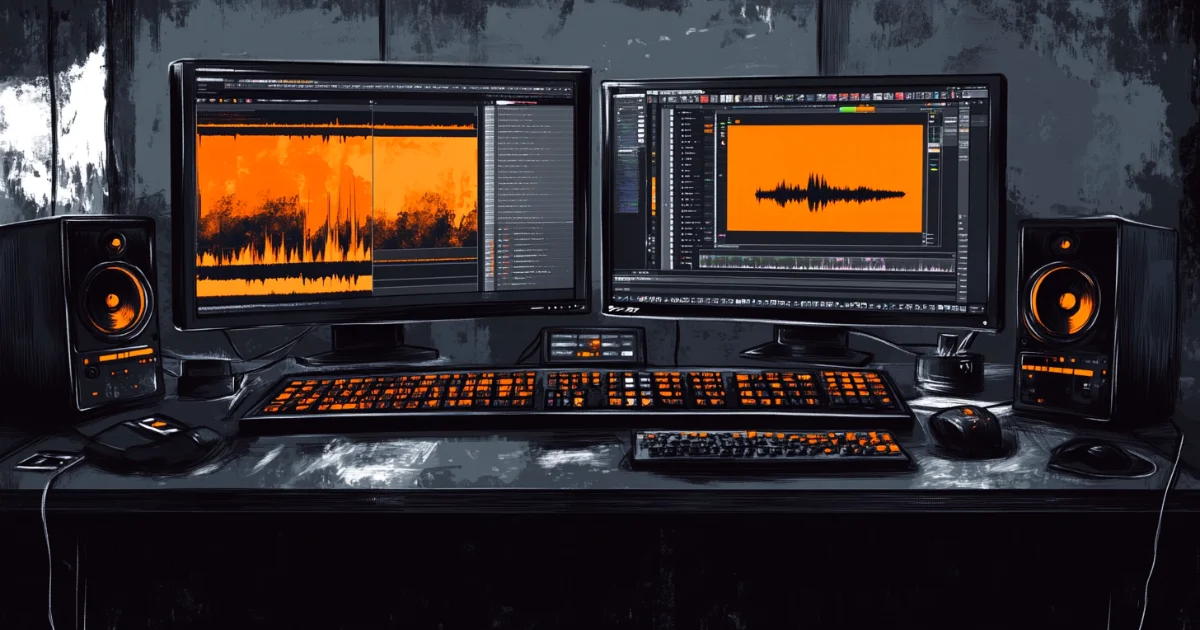

This is a post-mortem from the cutting room floor.
This is not a tech manual of techniques and techno babble.
I tear into the choices that shaped the final cut of INDEFINITE.
“Fix It In Post”
Let’s start with what was not going to happen. “Fix it in post” is the worst plan.
Below is a list of random ideas I jotted down to smash into the film. These were not baked into the script.
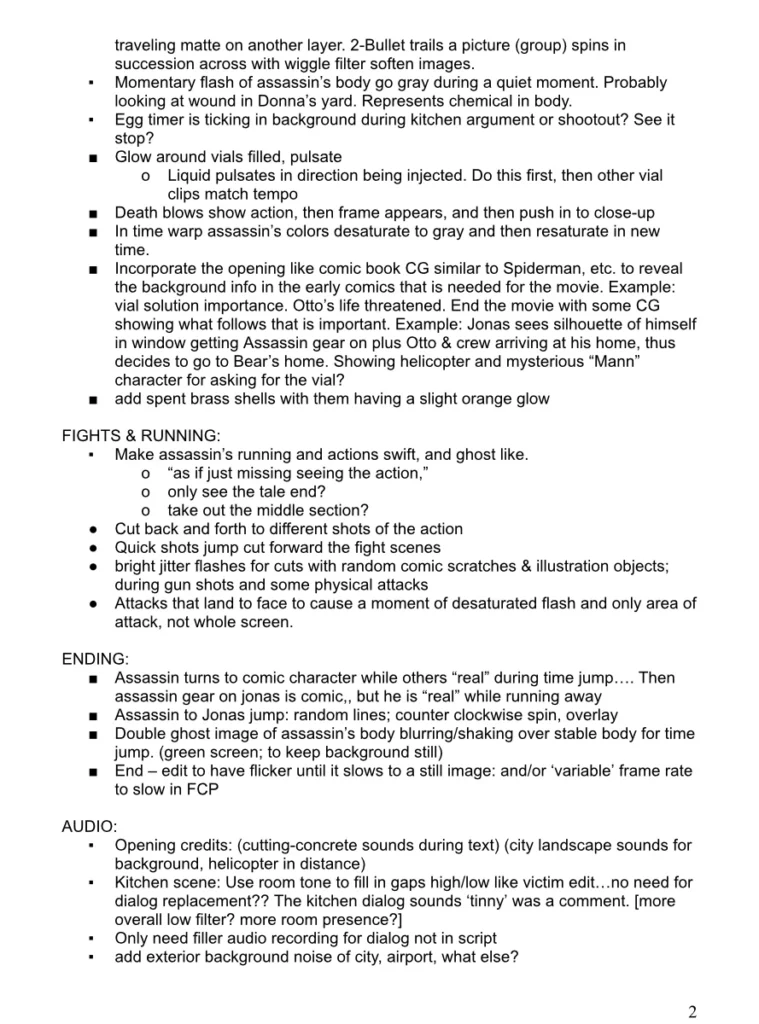
P.S. The “assassin” was the original name for the title character. Co-director Christopher Kuiper later flipped it to “The Man in the Mask” for the comics.
Get it right in the script.
Each idea could be tested before we locked the script. Only keep the hardest-hitting ones that match the film’s pulse. Then on set we would forge them into shape.
Too many ideas were attempted in the edit. I needed to pick a tight group that fits together like a puzzle. Every extra piece muddied the story.
The Opening Scene & Credits
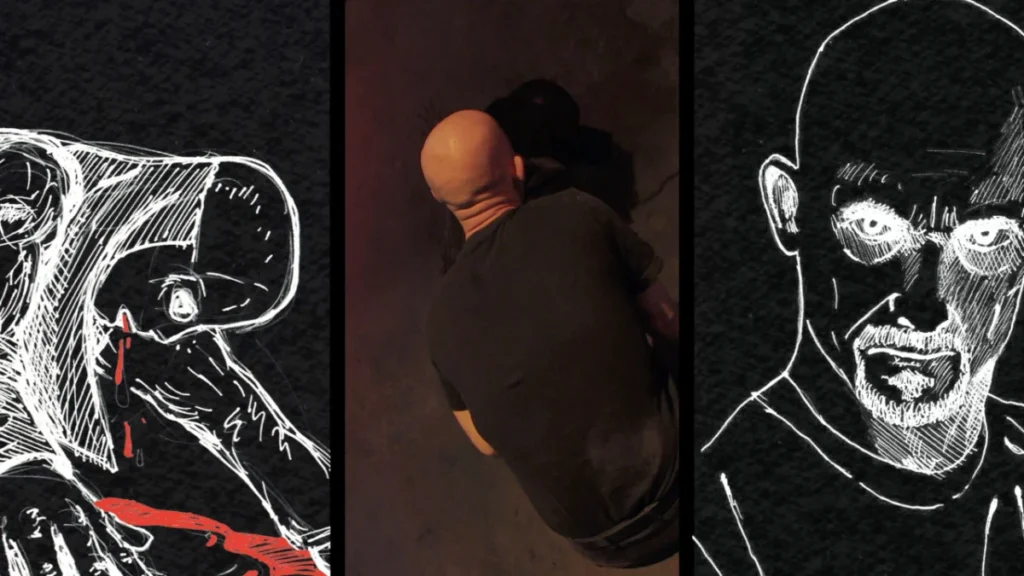
The opening scene edit is simple. Cuts between the masked man and comic panels fuse nicely.
The one choke point was nailing the filters for the comic text panels. Multiple filters were tested until the style popped.
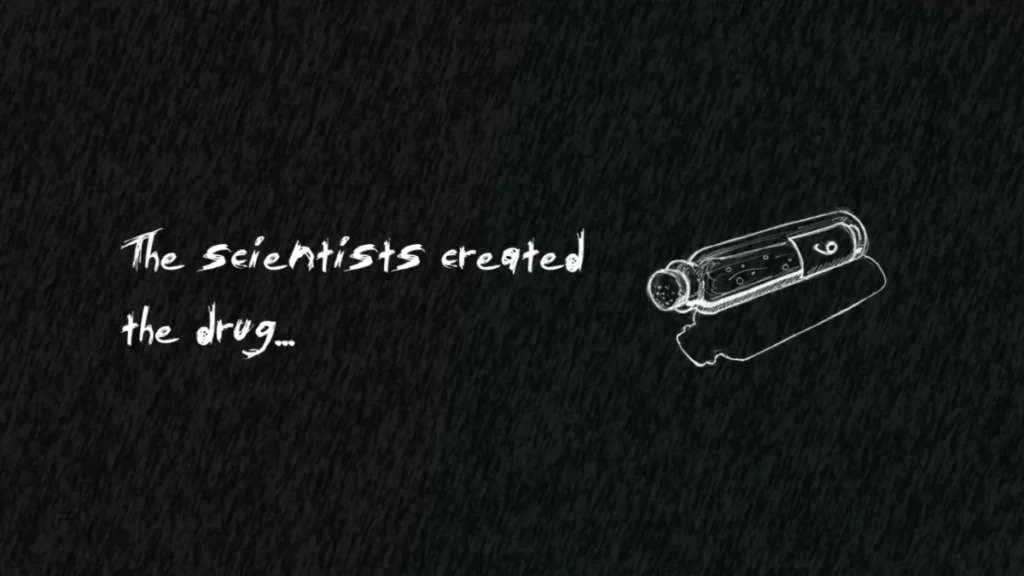
The comics started with a clean black background. But, the grainy filters overlaid on character images clashed with the crisp comics.
I fixed the look by adding grungy swirly grit to the black background. Now the filters on the characters match with the comic text images.
The Kitchen Edit
There were two flaws though that jumped out when editing the kitchen scene.
The first hit was rolling with a flimsy script. The story elements were weak.
The second hit was no creative planning for lighting the scene. We threw up lights. Lit the faces. We called it good.
No palette plan affected the edit.
The scene was drab when cut between the colored lights used in the chase scenes.
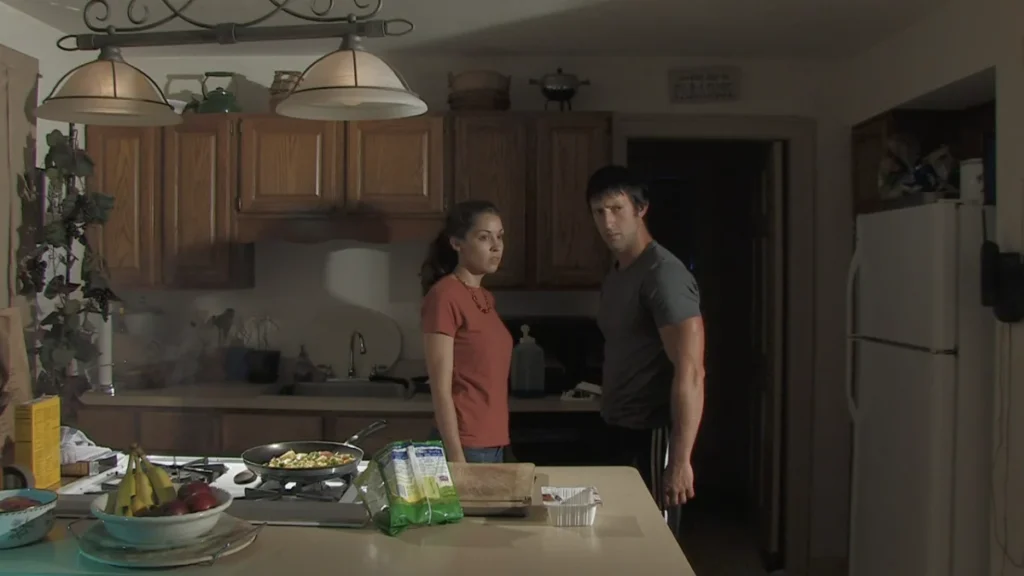
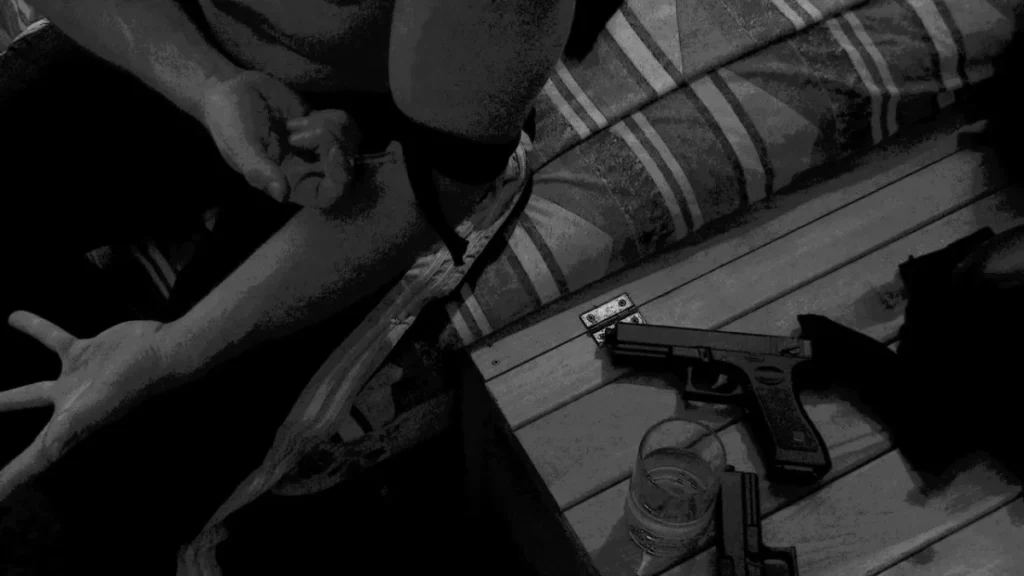
Gritty comic book style filters saved the kitchen scene.
The kitchen is the pressure-cooker beat of the story. Comic book grit sets it apart from the remaining scenes. The others have colors that pop.
The audience now sees one fluid scene tying the story together.
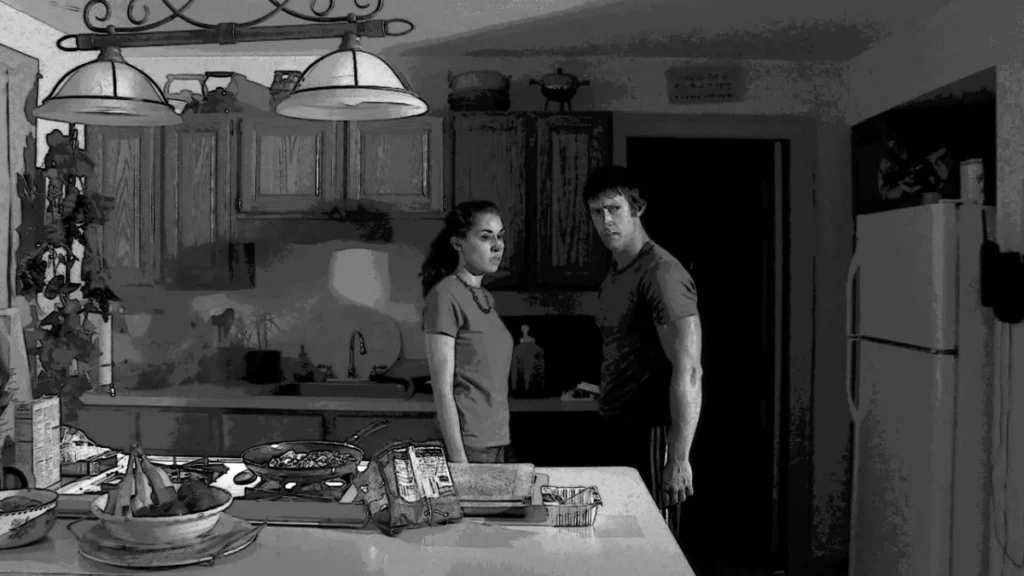
P.S. We rolled in and lit the kitchen in one brutal sprint with Director of Photography Dirk van Sloten. He was not with us scouting locations. We never talked about tone, color, or mood. A lighting test was lacking for this scene. We did not plan the cohesive look of the film. I am to blame for the rush.
One bonus from the kitchen shoot was the coverage.
We shot the room from every angle. Sliced the kitchen into hard-edged segments. Those segments stacked nicely with the chases. Every return to the kitchen was fresh with new perspectives.
Fixing the White Walls in the Hallway
The hallway leading to the kitchen was a real enemy. The walls were white. It needed to be empty darkness for “The Man in the Mask” to hide.
A moving garbage matte effect was used to darken the hallway. This helped hide “The Man in the Mask” in the shadows.
Moving the garbage matte was a frame by frame tedious task. The camera and/or the actor were constantly moving. The garbage matte must match the movement on screen.
P.S. The comic book style filters also helped dirty the hallway to darken the hallway.
Speed Up the Fights
We shot the fights too slow. The actors were directed to “go slower for the camera”.
This was a big mistake.
In the cut, frames were shaved like shrapnel. One to three frames were removed before each kick, punch, or toss. The hits felt harder.
The final touch was layering in sound effects for impact.
Driving Slow to Fast
Faking a chase scene was a challenge.
We drove the speed limit. A full locked down street was out of the question for film students.
To fix the lack of speed the two drivers “The Man in the Mask” and Otto were put into smaller frames. This highlighted moments in the vehicles.
This picture-in-picture image is similar to a comic book page layout.
The scene is drastically improved.
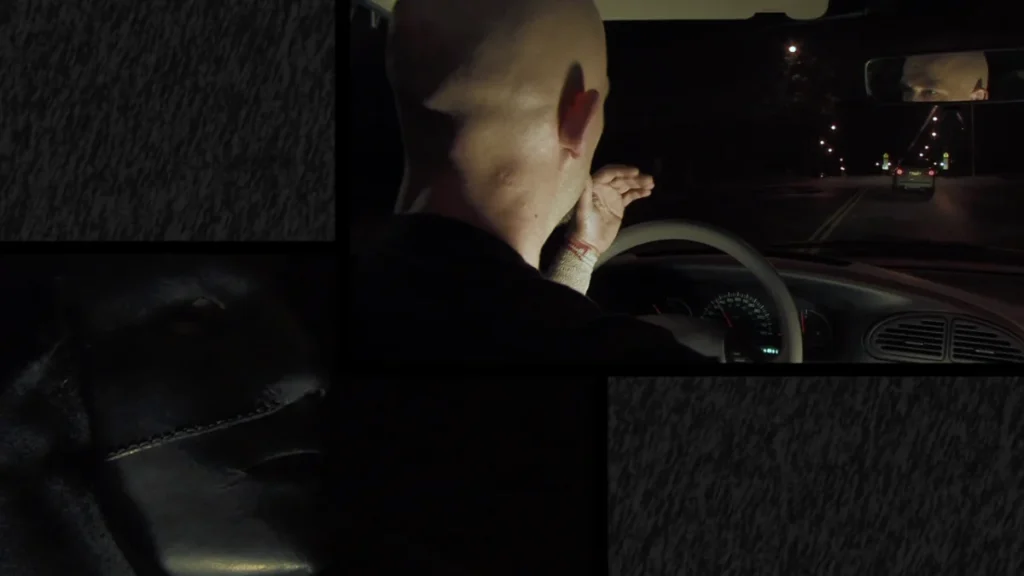
The chase was starving for shots we never rolled.
- Add random jagged city shots for tension.
- Drive the vehicles through the image frame.
- See the burning rubber of tires spin through closeups.
- Tilt in-car angles to bury the slow traffic outside.
P.S. I filmed the driving scenes. My focus was on the actors, not the city traffic.
Comic Book Action Frames
Comic book images were used to connect with the gritty theme.
Below is a backyard turned into a battleground. “The Man in the Mask” vanquished two foes in a blink.
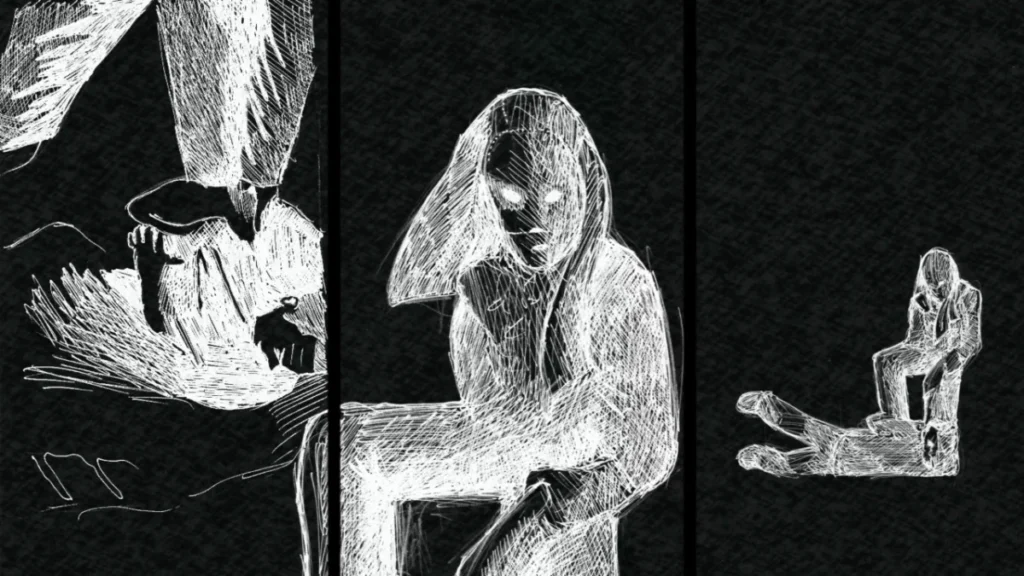
This is the dead end for “The Man in the Mask”. Otto and his pack have him surrounded.
Time Travel Drug Effects
A reddish orange glow surrounds “The Man in the Mask”. This was a time shift “blip” caused by the mysterious drug. This was not clear in the story.
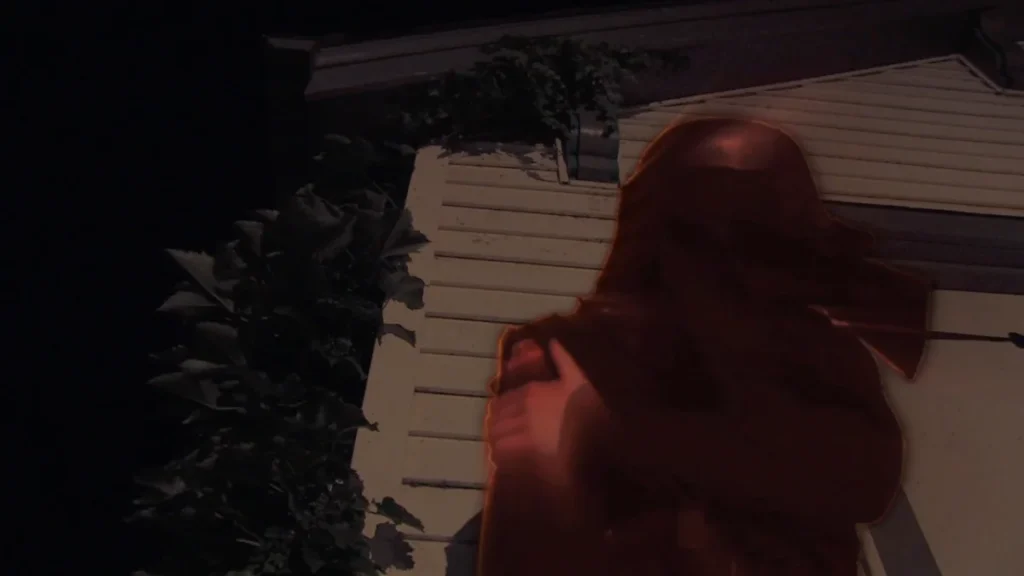
The “blip” was added in post production–not planned.
Two more hard hitting “blips” need to be seen on screen. Show the character wrecked by the drug’s side effects. Feel the pain of jumping backward in time.
Kick the scene up with environmental changes. Add fast blasts of day vs night images. Split the screen with fractures of random jagged cuts.
Fuse the scene with energy. Tick…tick…tick…
This story beat fired a dud. It’s a weak connection to the ending time jump.
Time Travel Rotoscoping
Rotoscoping sucks.
Time was wasted fixing the end time-jump. Frame by frame the images were modified in Photoshop. “The Man in the Mask” was split from the rest of the image. Back in Final Cut Pro the images were layered in to add the time-jump effects.
I’m pleased with the final result. The images blended nicely.
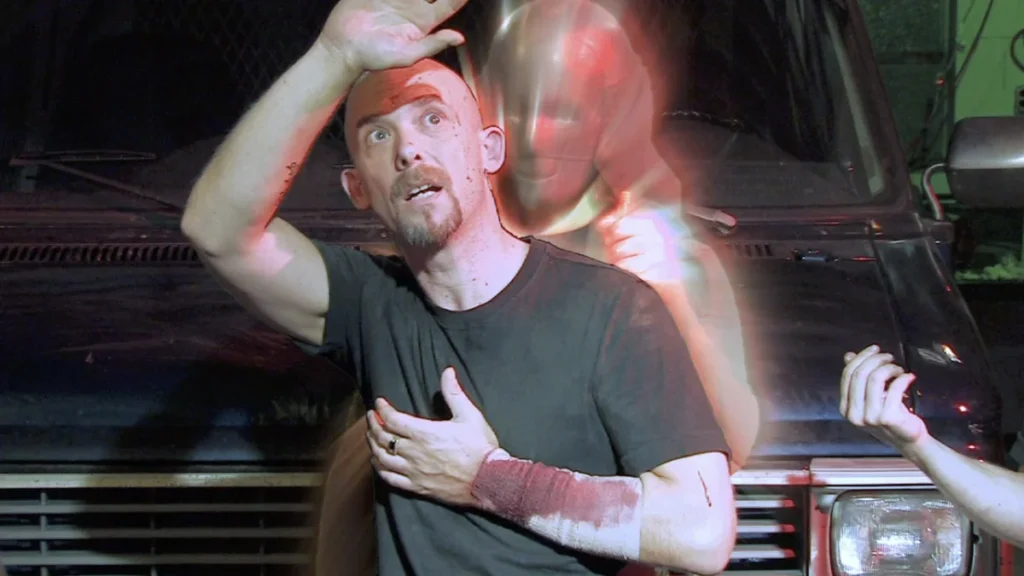
The time-jump was created the hard way. We should have pulled some on-set voodoo.
Pop up a portable green screen. Shoot Otto and “The Man in the Mask” clean. Shoot the van solo.
Then slam them together in post.
We foolishly did not test the time-jump.
The Helicopter
We dropped a chopper over Otto’s office. Blades snarling. This is a hard link to the comic books. J-Corp sent the chopper. They hire Otto to steal the mysterious orange vials.
In INDEFINITE, the plot hole stays open. The helicopter shows once, then ghosts.
It’s a distraction in the script to cover the escape of “The Man in the Mask”.
The audience is confused.
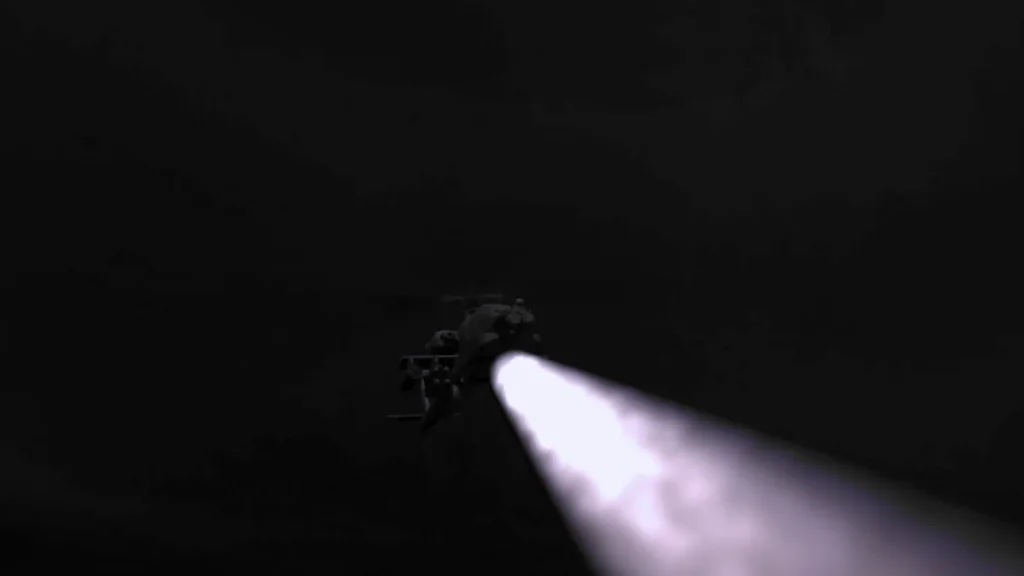
The attack bird needed to be teased one to two times.
First, drop the chopper into a foot chase scene through the yards. Otto and his crew feel the blade-threat in their bones. They know what it means.
Someone growls, “J-corp is watching”.
The thunder rolls by.
Second, amp the car chase. Tires scream. Metal hunts metal.
The rotor buzz knifes the sky. A searchlight beam whips back and forth.
Otto sneaks into an alley to hide under an overhang.
Otto calls his crew. “…before J-corp finds me.”
The bird stalks into the distance.
The helicopter needed a reason to be in the film. We missed the mark.
Final Editing Recap
Given the no-budget student filmmaker exploits of INDEFINITE I am still quite proud of the final film. The film is not perfect. With the action I consider it watchable. I can share it without embarrassment.
INDEFINITE was built on fumes—a student project. It’s a little rough. Imperfections are baked into the finished project.
But it moves. There is a lot of action to keep up the pace. I’m proud of what we forged.